


More than supplements -
A lifestyle. A community. A movement.
Explore
Products
Connect Socially







Published On 26 Mar 2026
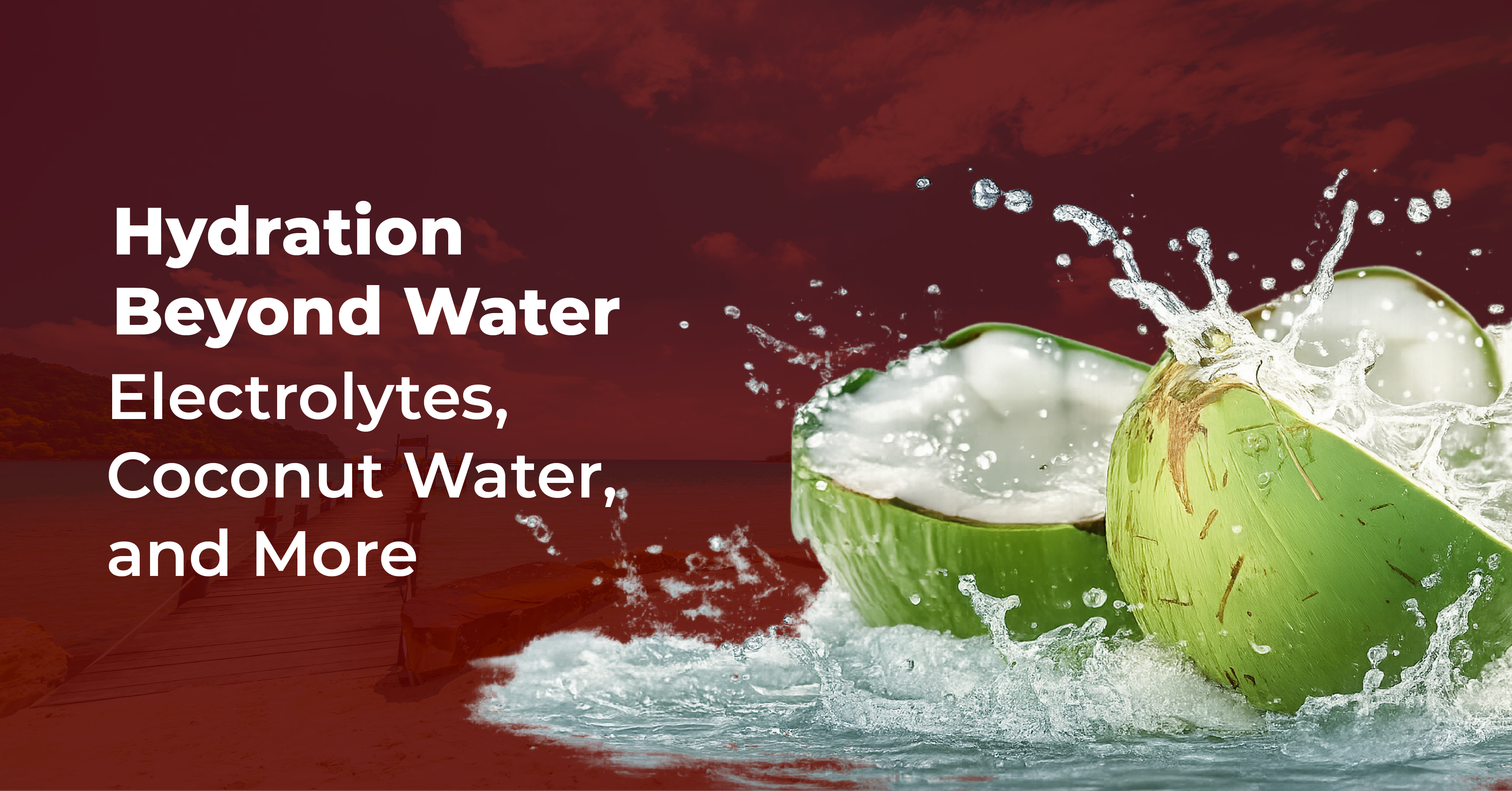
Hydration for athletes involves more than simply drinking water. Electrolytes, natural hydration fluids like coconut water, and balanced hydration strategies help maintain fluid balance, muscle function, and performance during training and recovery.
Water is essential for life and physical performance, but hydration needs increase significantly during exercise. Sweat loss leads to the depletion of fluids and electrolytes, which can impair muscle contraction, nerve signalling, endurance, and focus.
Modern sports nutrition recognises that effective hydration goes beyond water, incorporating electrolytes and functional hydration beverages to support performance, prevent fatigue, and aid recovery. Understanding these components helps athletes make informed hydration choices before, during, and after workouts.
Fluid Balance and Exercise
Even mild dehydration can negatively affect performance. Fluid loss during exercise may lead to:
Maintaining hydration helps regulate body temperature, transport nutrients, and support cardiovascular function.
Sweat Loss and Electrolyte Depletion
Sweat contains not only water but also key electrolytes such as sodium, potassium, and magnesium. Replacing fluids without electrolytes may dilute blood sodium levels, affecting muscle and nerve function.
What Are Electrolytes?
Electrolytes are minerals that carry an electrical charge and play a vital role in:
The primary electrolytes lost during exercise include sodium, potassium, calcium, and magnesium.
Signs of Electrolyte Imbalance
Inadequate electrolyte replacement may contribute to:
Balanced electrolyte intake supports consistent performance, especially during prolonged or high-intensity workouts.
Coconut Water Benefits for Hydration
Coconut water is often promoted as a natural sports drink due to its electrolyte content. It provides:
Its light composition makes it suitable for moderate workouts or post-exercise rehydration.
Limitations of Coconut Water
While beneficial, coconut water may not provide sufficient sodium for heavy sweaters or long training sessions. In such cases, additional electrolyte sources may be needed to restore optimal fluid balance.
When Water Is Enough
For short, low-intensity workouts lasting under an hour, water is often sufficient to maintain hydration.
When Electrolyte Drinks Are More Effective
Electrolyte-containing drinks may be more appropriate when:
These drinks help replace both fluids and electrolytes lost during exercise.
Forms of Electrolyte Supplements
Electrolytes are available in various forms, including:
These options allow flexibility based on training needs and personal preference.
Choosing the Right Electrolyte Balance
Effective hydration supplements typically provide sodium as the primary electrolyte, with balanced amounts of potassium and magnesium. Avoiding excessive sugar and artificial additives supports better metabolic control.
Before Exercise
During Exercise
After Exercise
Monitoring urine colour and body weight changes can help assess hydration status.
Q: Is water enough for hydration during workouts?
A: Water is sufficient for short, low-intensity exercise, but longer or more intense sessions benefit from electrolytes.
Q: Are electrolyte drinks better than sports drinks?
A: Electrolyte drinks with controlled sugar content may support hydration without excessive calories.
Q: Is coconut water good for athletes?
A: Coconut water can support hydration but may not fully replace electrolytes during heavy sweating.
1. Can dehydration affect muscle performance?
A: Yes. Dehydration reduces strength, endurance, and coordination.
2. How much should athletes drink during exercise?
A: Fluid needs vary, but regular small sips are generally recommended.
3. Do electrolytes help prevent cramps?
A: Balanced electrolytes support muscle function and may reduce cramp risk.
4. Can overhydration be harmful?
A: Yes. Excessive water intake without electrolytes may disrupt sodium balance.
Effective hydration goes beyond drinking water alone, particularly for athletes and active individuals. Replacing electrolytes lost through sweat is essential for maintaining performance, supporting muscle function, and aiding recovery. Natural options like coconut water and targeted electrolyte solutions can complement water intake when used appropriately.
Within this evolving approach to performance hydration, Kratoz Nutrition focuses on developing science-aligned hydration and nutrition solutions that support training demands when combined with balanced diets, proper recovery, and informed hydration strategies. Thoughtful hydration planning remains a key pillar of sustainable athletic performance and overall wellbeing.
Best Indian Diet Plan for Muscle Gain
Building muscle is not only about lifting heavier weights in the gym. Nutrition plays a major role in muscle growth, strength development, recovery, and healthy weight gain.

Jhon
Fitness coach
Share
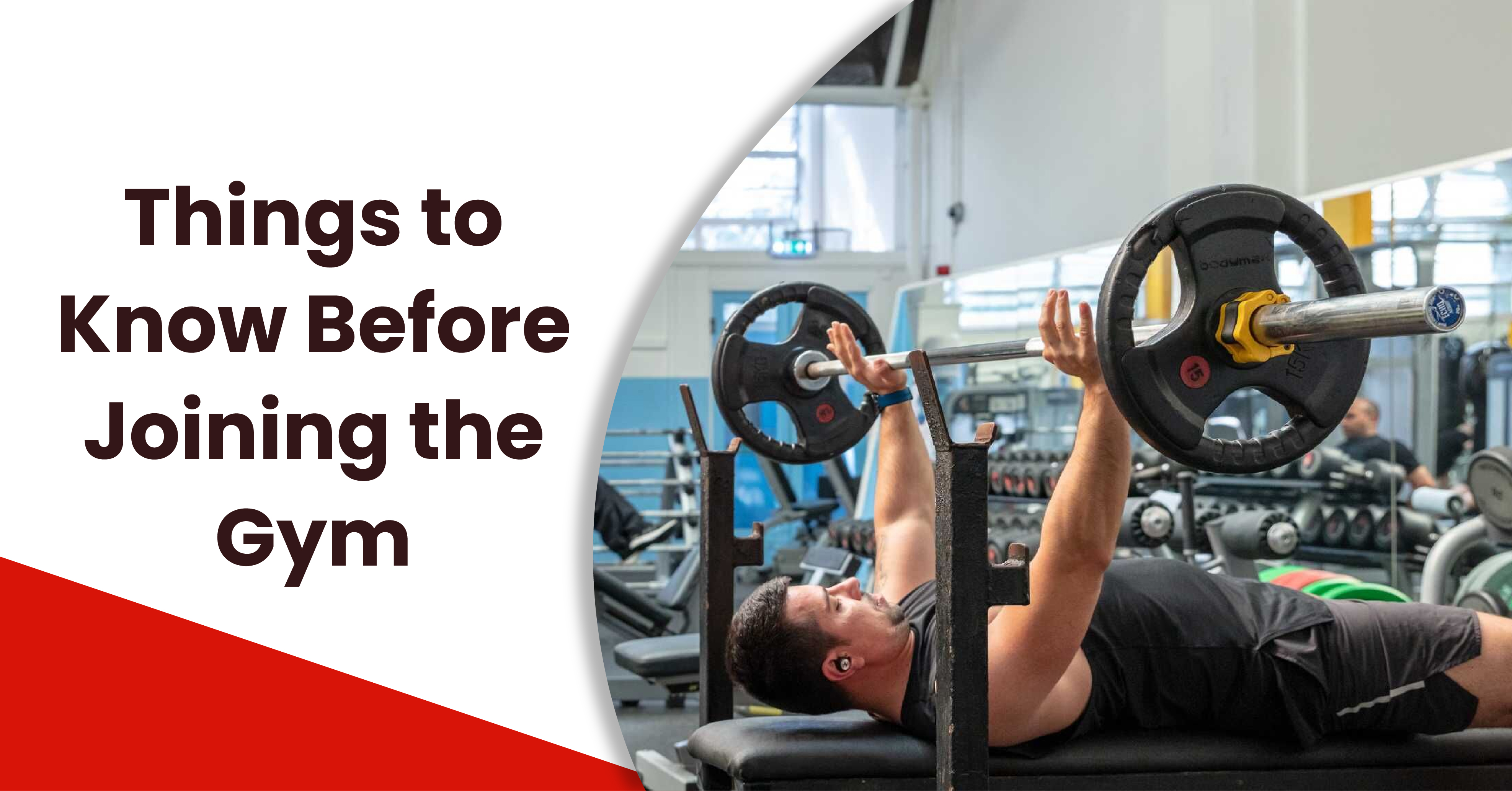
Things to Know Before Joining the Gym
Joining a gym is a great step towards better health—but starting without the right knowledge can lead to confusion or even injury.
Jhon
Fitness coach
Share
Street Food vs Fitness Goals: Smart Choices Guide
Yes—but it depends on what and how you choose. Completely avoiding your favourite foods isn’t always realistic, especially if you’re trying to build sustainable fitness habits.
Jhon
Fitness coach
Share
More than supplements -
A lifestyle. A community. A movement.