


More than supplements -
A lifestyle. A community. A movement.
Explore
Products
Connect Socially








Published On 01 Jun 2026

Working out every day but still not seeing muscle growth can be frustrating. If you’ve been asking, “why am I not gaining muscle despite exercise?”, the issue may not be effort—but approach. This guide explains the most common muscle gain mistakes, why your muscles may not be growing, and how to build muscle effectively with the right strategy.
This guide explains the most common muscle gain mistakes, why your muscles may not be growing, and how to build muscle effectively with the right strategy.
Muscle growth (hypertrophy) is the process where muscle fibres repair and become stronger after exercise.
Signs your muscles are not growing
Impact of poor muscle growth
1. Not Eating Enough Protein
Muscles need protein to repair and grow.
2. Overtraining Without Recovery
More is not always better.
3. Lack of Progressive Overload
If you’re lifting the same weights repeatedly:
4. Poor Sleep Quality
Sleep is critical for:
5. Inconsistent Workout Structure
Random exercises without a plan
Lack of focus on major muscle groups
6. Ignoring Nutrition Timing
Skipping post-workout nutrition
Irregular eating habits
Muscle growth requires a combination of training, nutrition, and recovery.
Key principles
Role of nutrition
Proper nutrition supports:
In some cases, structured nutritional support from platforms like Kratoz Nutrition can help individuals better understand dietary strategies that support muscle growth and performance.
Mechanism of muscle growth (high-level)
Without proper recovery and nutrition, this process is incomplete.
Muscle Growth Tips That Actually Work
Practical strategies
Overtraining Effects on Muscle
Warning signs
Overtraining can slow or stop muscle growth entirely.
Why am I not gaining muscle despite working out daily?
Possible reasons include poor nutrition, lack of rest, overtraining, or ineffective workout strategies.
How long does it take to see muscle growth?
Visible results typically take a few weeks to months, depending on consistency and lifestyle factors.
Is working out every day bad for muscle growth?
Not necessarily, but without proper recovery, it can hinder muscle growth.
Disclaimer: This content is for informational purposes only and does not replace professional fitness or medical advice.
1. Why are my muscles not growing?
Common reasons include insufficient protein, lack of rest, and poor workout strategy.
2. Can overtraining stop muscle growth?
Yes, overtraining prevents proper recovery, which is essential for muscle growth.
3. How much protein do I need for muscle growth?
Protein needs vary, but a balanced intake based on body weight and activity level is important.
4. Does sleep affect muscle growth?
Yes, sleep is crucial for recovery and hormone regulation.
5. What is the best way to build muscle?
Combine strength training, proper nutrition, and adequate recovery.
If you’re working out daily but not seeing results, it’s time to shift your focus from just effort to strategy. Muscle growth depends on the right balance of training, nutrition, and recovery—not just time spent in the gym.
Understanding common mistakes and making small, consistent improvements can help you break plateaus and build strength effectively. For those looking to refine their nutrition and muscle-building approach, resources from Kratoz Nutrition can provide helpful insights into supporting performance, recovery, and sustainable muscle growth.
Best Indian Diet Plan for Muscle Gain
Building muscle is not only about lifting heavier weights in the gym. Nutrition plays a major role in muscle growth, strength development, recovery, and healthy weight gain.

Jhon
Fitness coach
Share
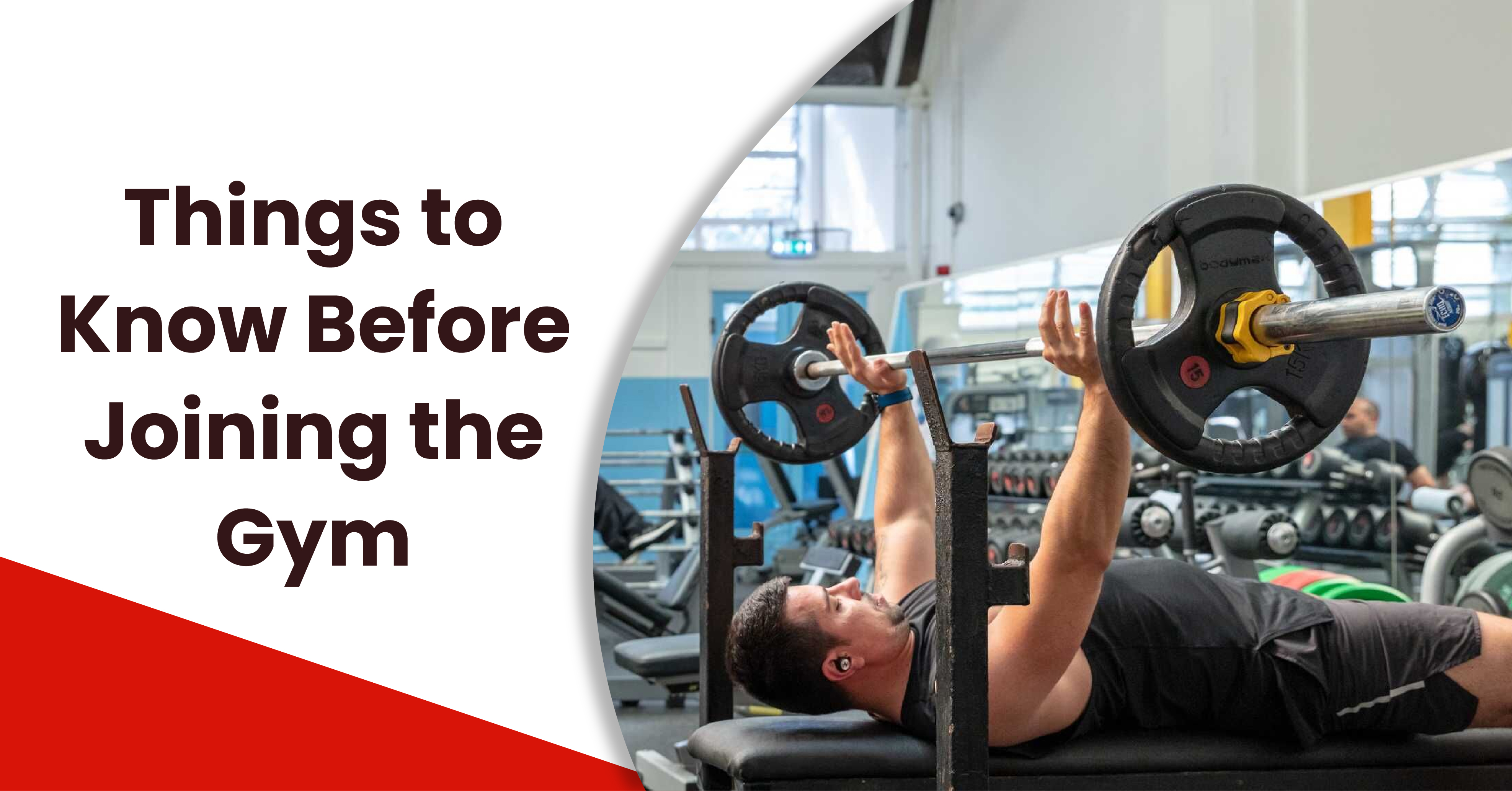
Things to Know Before Joining the Gym
Joining a gym is a great step towards better health—but starting without the right knowledge can lead to confusion or even injury.
Jhon
Fitness coach
Share
Street Food vs Fitness Goals: Smart Choices Guide
Yes—but it depends on what and how you choose. Completely avoiding your favourite foods isn’t always realistic, especially if you’re trying to build sustainable fitness habits.
Jhon
Fitness coach
Share
More than supplements -
A lifestyle. A community. A movement.