


More than supplements -
A lifestyle. A community. A movement.
Explore
Products
Connect Socially






Published On 23 Nov 2025

For individuals following a vegan lifestyle, building muscle and enhancing performance often require thoughtful nutrition strategies. While protein is the first nutrient most people focus on, another essential compound often overlooked is creatine.
Since creatine is found mainly in animal-based foods like red meat and fish, vegans and vegetarians typically have lower creatine stores in their muscles. This may affect strength, energy, and recovery during workouts.
Fortunately, vegan-friendly creatine supplements provide an easy and effective way to bridge this nutritional gap. In this guide, we’ll explore why creatine is important for vegans, its benefits, and how to supplement without animal products.
Creatine is a naturally occurring compound made from amino acids (arginine, glycine, and methionine). It is primarily stored in muscles as phosphocreatine, where it helps regenerate ATP (adenosine triphosphate) - the body’s main energy source during high-intensity exercise.
While the body produces some creatine naturally, the majority comes from dietary intake, especially from meat and fish. For vegans, this dietary source is absent, making supplementation even more important.
Research shows that vegans and vegetarians tend to have lower baseline creatine levels compared to those who consume meat. This difference can lead to:
By adding a vegan creatine supplement, individuals can restore muscle creatine levels and experience similar benefits as non-vegans.
Creatine is one of the most studied and effective supplements available. For vegans, its benefits are especially impactful:
Yes! While creatine in food comes from animal sources, creatine supplements are synthetically produced in laboratories. This means that most creatine powders are vegan-friendly.
The most common form, creatine monohydrate, is made using non-animal ingredients and is widely regarded as the gold standard for effectiveness and safety.
Always check labels to ensure the product is certified vegan and free from unnecessary additives like gelatin capsules or dairy-based fillers.
When selecting a creatine supplement, vegans should keep these points in mind:
If you’re starting your journey, check out high-quality options like Kratoz Creatine, available at Kratoz Nutrition.
Dosage
Timing
For vegans committed to strength training, performance, and overall wellness, creatine supplementation is a game-changer. Since creatine from animal products isn’t part of a vegan diet, supplements provide an effective way to boost energy, support muscle growth, and enhance recovery - all while staying true to plant-based principles.
If you’re vegan and looking to take your fitness to the next level, creatine is one of the best supplements you can add to your routine. Start your journey today with a trusted, plant-based option like Kratoz Creatine.
Best Indian Diet Plan for Muscle Gain
Building muscle is not only about lifting heavier weights in the gym. Nutrition plays a major role in muscle growth, strength development, recovery, and healthy weight gain.

Jhon
Fitness coach
Share
Things to Know Before Joining the Gym
Joining a gym is a great step towards better health—but starting without the right knowledge can lead to confusion or even injury.
Jhon
Fitness coach
Share
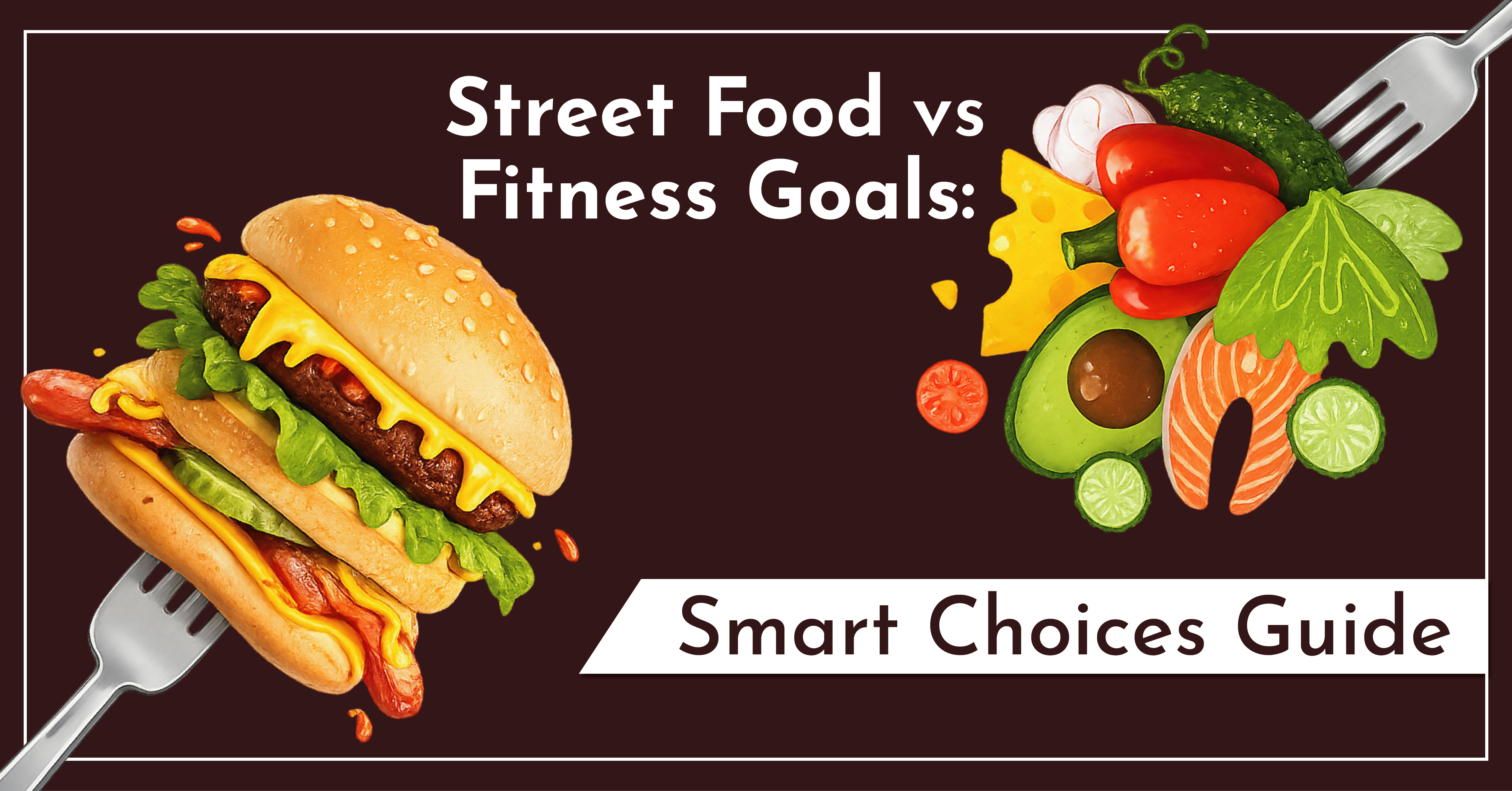
Street Food vs Fitness Goals: Smart Choices Guide
Yes—but it depends on what and how you choose. Completely avoiding your favourite foods isn’t always realistic, especially if you’re trying to build sustainable fitness habits.
Jhon
Fitness coach
Share
More than supplements -
A lifestyle. A community. A movement.