


More than supplements -
A lifestyle. A community. A movement.
Explore
Products
Connect Socially







Published On 24 Nov 2025

If you’ve recently started working out or exploring fitness supplements, you’ve probably come across creatine. It’s one of the most researched and widely used supplements in the fitness industry. Despite its popularity, many beginners still have questions like: What is creatine? How should I take it? Is it safe?
This blog serves as a complete guide to creatine for beginners, explaining everything from how it works to its benefits, side effects, and practical tips for effective usage.
Creatine is a naturally occurring compound found in small amounts in foods like red meat and fish. The human body also produces creatine in the liver, kidneys, and pancreas.
However, the amount we get from food and natural production is often not enough to maximize performance. This is why many athletes and gym-goers take creatine supplements to boost their strength, muscle growth, and energy levels.
Creatine is stored in the muscles as phosphocreatine, which helps regenerate ATP (adenosine triphosphate) - the body’s primary energy source during short bursts of high-intensity exercise.
In simple terms:
This is why creatine is especially beneficial for weightlifting, sprinting, and high-intensity workouts.
Creatine offers a wide range of benefits backed by scientific research:
Creatine is not just for athletes - it benefits anyone looking to improve strength, stamina, and energy.
There are several forms of creatine supplements on the market. The most popular ones include:
For beginners, creatine monohydrate is the best choice due to its proven effectiveness, safety, and cost.
One of the biggest questions beginners have is how to take creatine properly.
Loading Phase vs Maintenance Phase
Creatine Timing
Creatine is one of the safest supplements when taken in recommended doses. Studies spanning decades show no harmful effects on healthy individuals.
Possible Mild Side Effects
Myth Busting
Creatine does not damage kidneys or liver in healthy people. It does not cause dehydration when taken with adequate water.
Tip: Drink plenty of water (3-4 liters daily) to stay hydrated while using creatine.
Creatine is beneficial for:
Creatine is not necessary if you don’t engage in strength training or high-intensity workouts.
Pro Tip: If you’re ready to start, choose a high-quality creatine supplement like Kratoz Creatine, available at Kratoz Nutrition.
Creatine is one of the most effective, affordable, and safest supplements for muscle growth, strength, and performance. For beginners, it offers an excellent way to boost workouts, speed up recovery, and support long-term progress.
If you’re new to fitness and wondering where to start with supplements, creatine is the perfect first step. Combine it with proper nutrition, training, and recovery, and you’ll see noticeable improvements in your performance and physique.
Best Indian Diet Plan for Muscle Gain
Building muscle is not only about lifting heavier weights in the gym. Nutrition plays a major role in muscle growth, strength development, recovery, and healthy weight gain.

Jhon
Fitness coach
Share
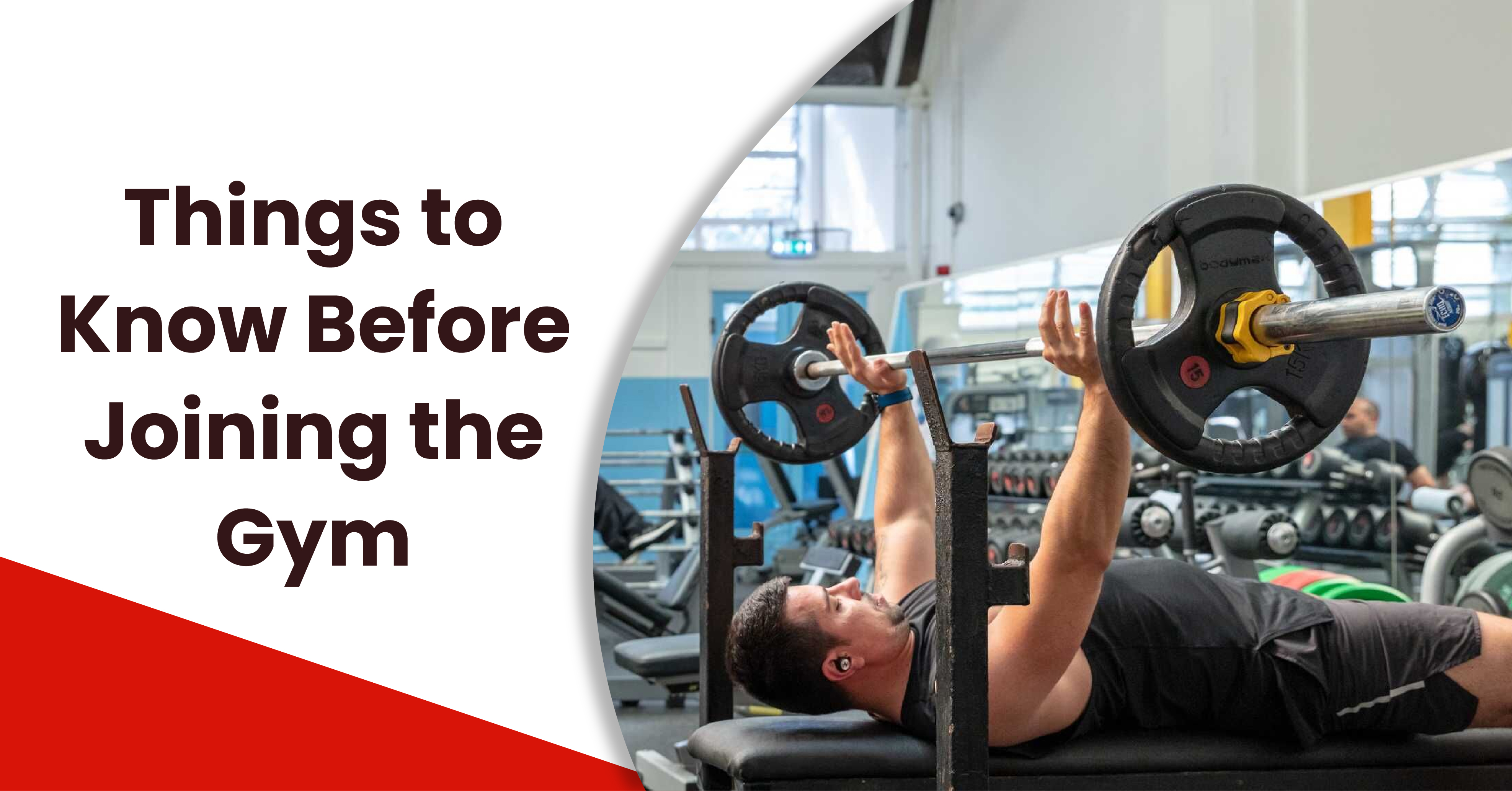
Things to Know Before Joining the Gym
Joining a gym is a great step towards better health—but starting without the right knowledge can lead to confusion or even injury.
Jhon
Fitness coach
Share
Street Food vs Fitness Goals: Smart Choices Guide
Yes—but it depends on what and how you choose. Completely avoiding your favourite foods isn’t always realistic, especially if you’re trying to build sustainable fitness habits.
Jhon
Fitness coach
Share
More than supplements -
A lifestyle. A community. A movement.